 Book a call
MyLondon · A solvX project
Built in public
MyLondon rebuilds over 100 square kilometres of real London street layout in 3D — with Tower Bridge and other landmarks dropped in so the city reads at a glance, and geometry engineered lean enough that the whole map drives smoothly in a browser. Built in the open, release by release — and the clearest proof of the 3D, maps and game work we do for clients.
The scale
Most driving games invent a small city. We modelled a real one, at scale: a 9.5 × 11 km block of London's actual streets, rebuilt in 3D. The hard part isn't the size — it's keeping a map that big fast enough to drive. Every road and building is deliberately efficient geometry: enough to feel like London, light enough to run at speed in a browser. Landmarks like Tower Bridge then go in on top, so it reads as a city you recognise rather than an abstract grid. And every release has gone out as a numbered build for anyone to try — built in public, improving in real time. Here's how each piece was made, and which service it shows off.
The street layout comes from OpenStreetMap — London's real road geometry — processed into a drivable 3D world rendered in the browser with Three.js. No invented city: you're driving the real layout, across 9.5 × 11 km of it. At that size the craft is restraint — modelling enough to read unmistakably as London while keeping the geometry light enough to run at speed. The same map-to-3D pipeline turns geographic or floor-plan data into a space you can move through and interact with.
The whole story in one clip: the OSM map → London rising from its real footprints → all 437 tiles landing → racing on Tower Bridge.
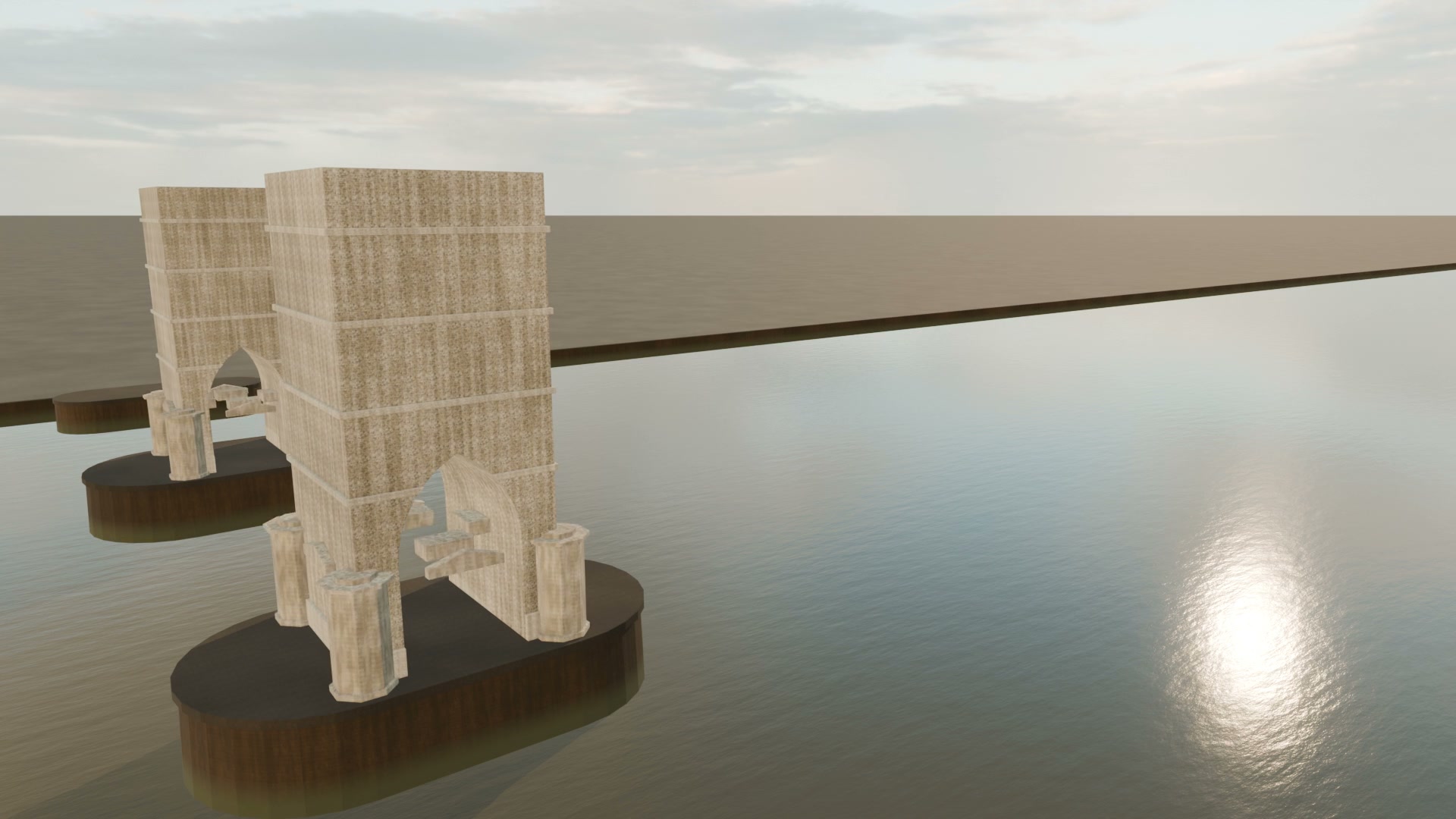
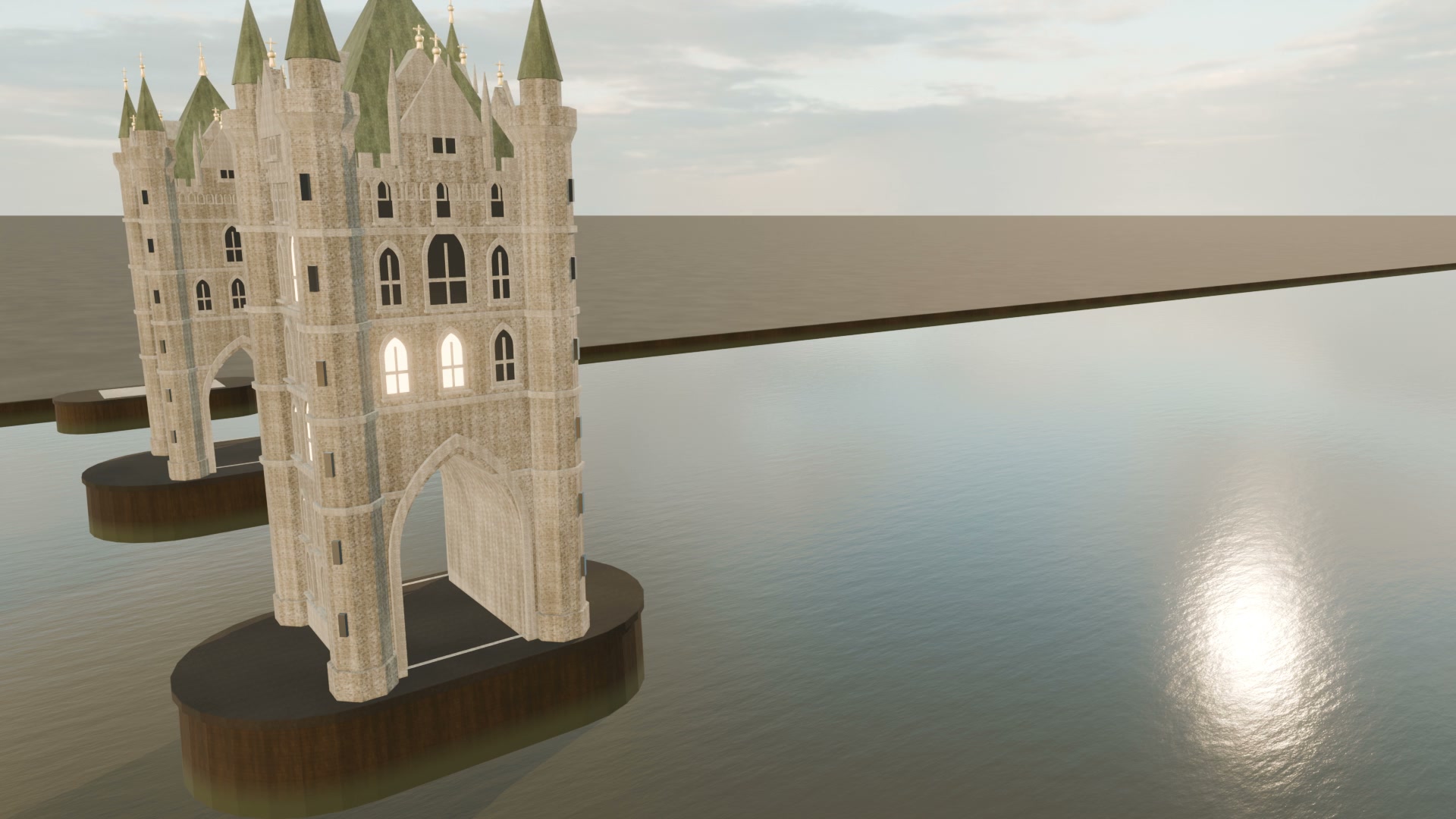
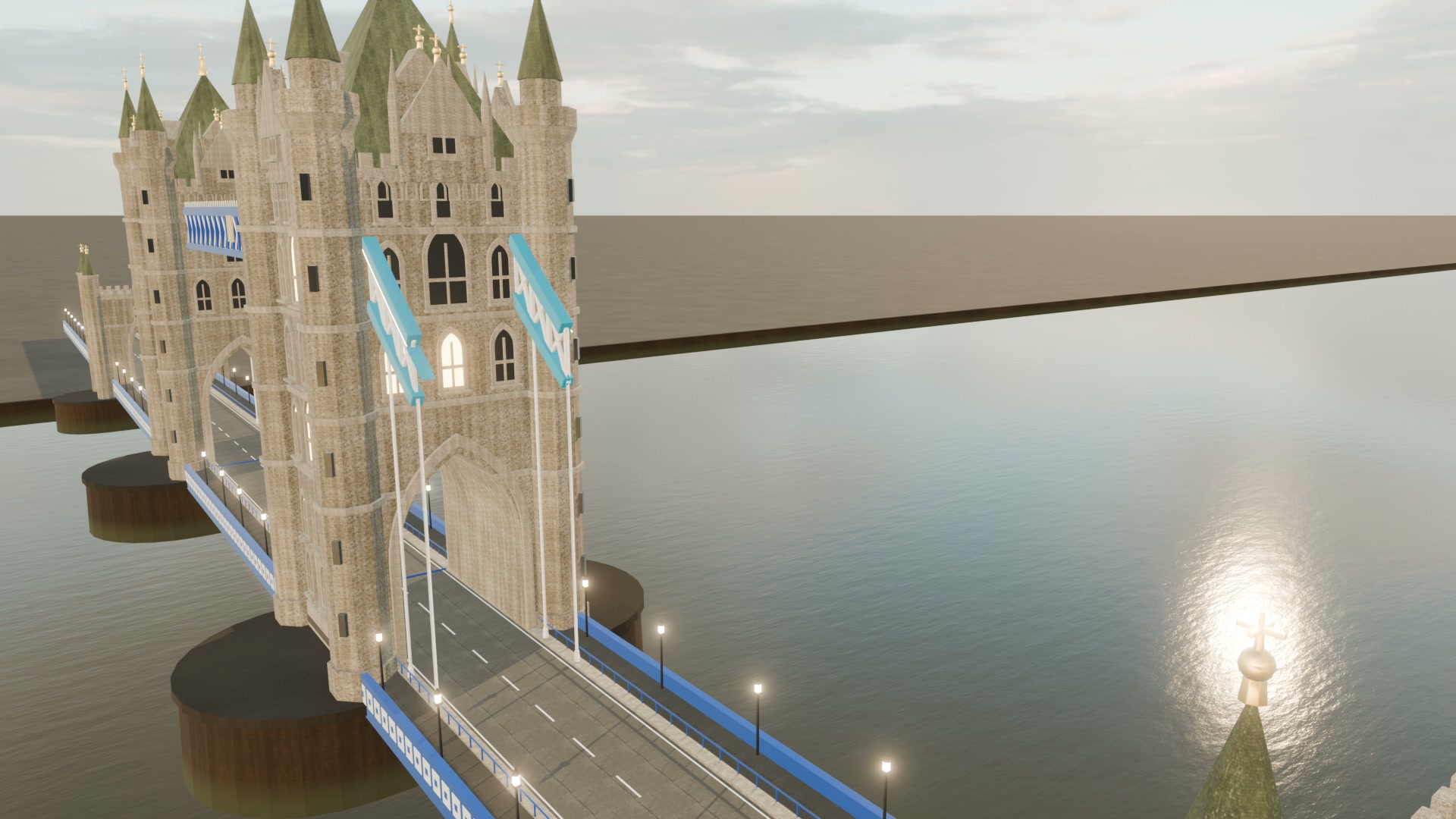
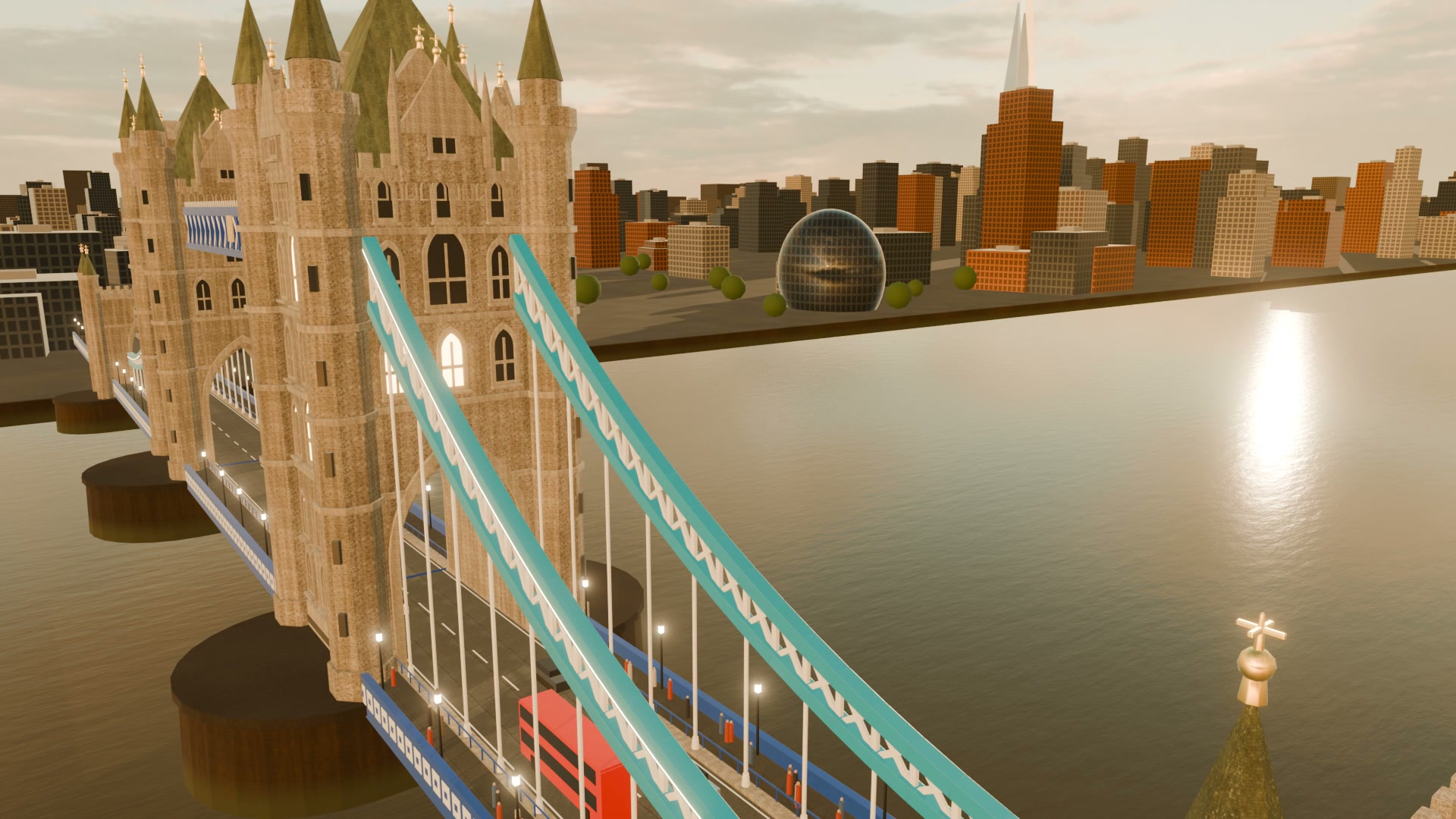
See the 3D service →A city needs landmarks you recognise. Tower Bridge was modelled from the ground up as the game's signature structure — the full build, from reference and blockout to the finished, textured model dropped into the world. It's a clean example of taking a real-world structure and turning it into a game-ready 3D asset.
The full procedural build — pier by pier, rendered by the program — then dropped into the world.
You drive a Caterham-style Seven — but it's one of ten vehicles modelled for the game, from a hot hatch and a mid-engine coupé to a taxi, ambulance, fire engine and police car. The Seven alone assembles from 84 parts, with real steering and suspension geometry. Vehicle modelling is its own discipline: proportions, panels and detail that read at a glance and hold up at speed. The same work applies to any product, prop or hero object a client needs rendered.
The in-game garage, car by car — Caterham, Atom-style, hot hatch, mid-engine, hatchback, saloon, taxi, ambulance, fire engine, police.
Have a model made →All of it — the map, the bridge, the car — comes together as a real, playable prototype that runs in a browser from a single link, no install. It's the clearest demonstration of what a playable proof-of-concept looks like: a fully interactive build you can put in front of people early, and keep improving in public.
Best of the racing — the grid on Tower Bridge, police overtakes, taxi vs ambulance, and a street-race start.
In public
MyLondon ships as a numbered series — each build published for anyone to try while the work is still in progress. We point people at the latest, but every release stays live. Here's the shape of it:
Watch
The whole thing, start to finish — the map, the bridge, the cars and the drive — in one film. Every frame was drawn by code, not edited in a timeline.
The point
One project, three services — shown working, not just described.
Landmarks, vehicles and characters — modelled, textured and game-ready, like Tower Bridge and the cars here.
See the 3D service →Browser games and proofs-of-concept that run from a link — like MyLondon itself.
See the game service →The build footage, cuts and promos — the kind of video we produce for a product or launch.
See the video service →A 3D model, a playable prototype, a map brought to life, or the video to show it off — tell us what you have in mind.